
Revolutionizing Personalized Learning with AI
Revolutionizing Personalized Learning with AI through Intelligent Tutoring Systems. Discover the impact of AI on personalized education in K-12 and higher ed.

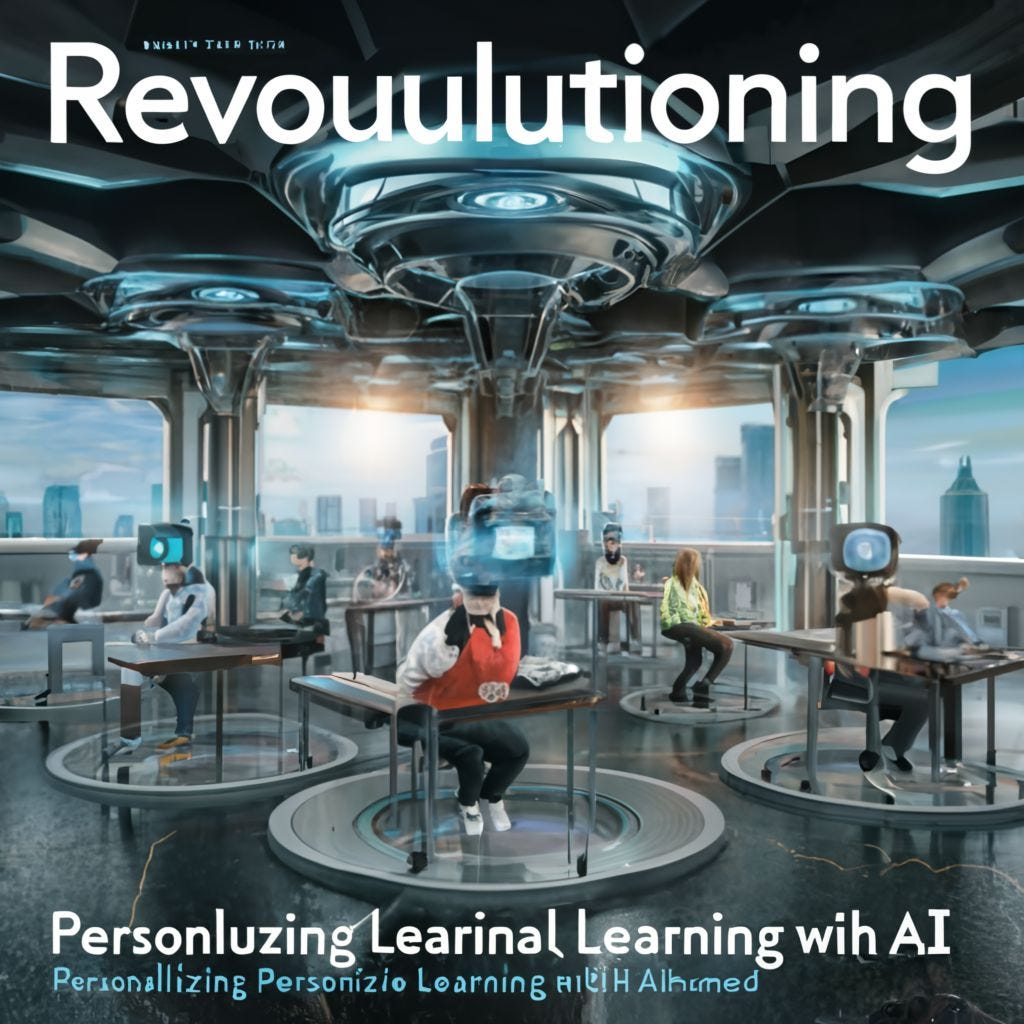
Here's an overview:
Introduction to Personalized Learning
Personalized learning is a modern approach to education that tailors the learning experience to meet the individual needs of each student. It goes beyond traditional one-size-fits-all teaching methods and takes into account the unique strengths, weaknesses, interests, and pace of each learner. With personalized learning, students have the opportunity to progress through the material at their own speed, focus on areas where they need more help, and explore topics that spark their curiosity.
In the context of education, personalized learning aims to empower students and make the learning process more engaging and meaningful. By leveraging technology and data analysis, educators can create customized learning paths for students, providing them with the support and resources they need to succeed. This individualized approach helps students take ownership of their learning journey and promotes a deeper understanding of the material.
As an advocate for personalized learning, I believe that this approach has the potential to revolutionize education by promoting student-centered learning environments and fostering a culture of continuous improvement. By harnessing the power of AI and machine learning algorithms, educators can gain valuable insights into student progress and preferences, allowing them to make data-driven decisions to optimize the learning experience.
Personalized learning is not just a trend in education – it represents a fundamental shift towards empowering students and promoting lifelong learning. By embracing personalized learning, we can unlock the full potential of every learner and prepare them for success in an ever-changing world.
Understanding AI in Education
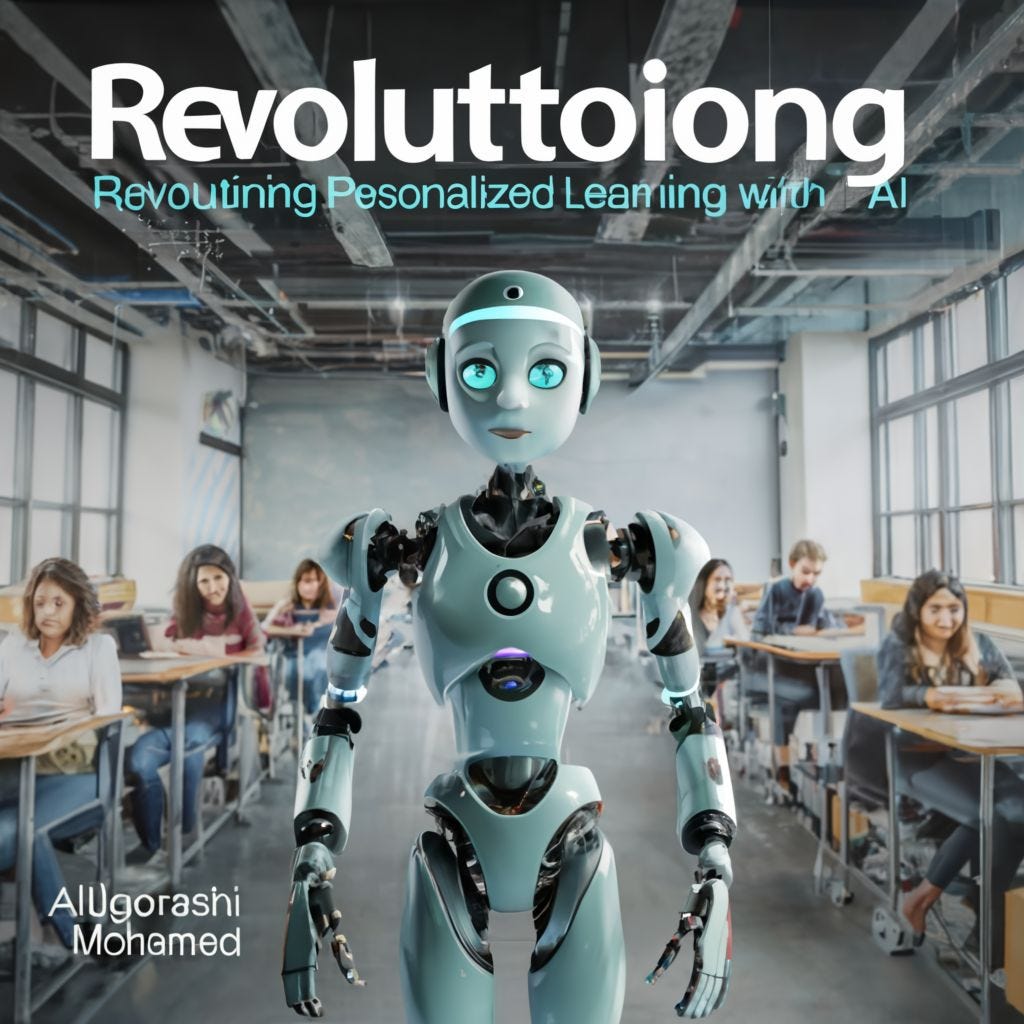
I believe that artificial intelligence (AI) has the potential to revolutionize education by enabling personalized learning experiences for students. Through AI technology, educators can analyze vast amounts of data to understand each student's learning style, preferences, and strengths. This allows for the creation of customized learning pathways that cater to individual needs, helping students to learn at their own pace and in a way that suits them best.
Benefits of AI in Education:
Personalized Learning: AI can create personalized learning experiences for students, helping to engage them more effectively and improve learning outcomes.
Adaptive Learning: With AI, educational platforms can adapt to each student's progress and provide targeted support where needed.
Efficiency: AI can automate administrative tasks, grading, and feedback processes, saving educators valuable time and allowing them to focus on more meaningful interactions with students.
Data-Driven Insights: By analyzing data generated through AI, educators can gain valuable insights into student performance, behavior, and needs, allowing for more informed decision-making.
Challenges of Implementing AI in Education:
Infrastructure: Setting up the necessary technology infrastructure can be costly and time-consuming.
Data Privacy: There are concerns about data privacy and the ethical use of student data in AI systems.
Training: Educators need to be trained in using AI tools effectively to maximize their benefits in the classroom.
In conclusion, AI has the potential to transform education by offering personalized learning experiences tailored to individual students' needs. By leveraging AI technologies, educators can create more engaging and effective learning environments, ultimately leading to improved student outcomes.
The Benefits of AI in Personalized Learning
I believe that AI plays a crucial role in revolutionizing personalized learning by offering a wide range of benefits. Here are some of the key advantages:
Personalized Learning Paths: AI algorithms can analyze individual learning styles, preferences, and performance data to create personalized learning paths for each student. This tailored approach helps students learn at their own pace and focus on areas where they need the most help.
Adaptive Feedback: AI can provide real-time feedback to students based on their performance. This immediate feedback loop helps students track their progress, identify areas for improvement, and adjust their learning strategies accordingly.
Enhanced Student Engagement: By incorporating AI-powered interactive content, personalized learning becomes more engaging and interactive for students. This can lead to increased motivation, participation, and overall retention of knowledge.
Efficient Resource Allocation: AI can optimize the allocation of educational resources by identifying areas where students need additional support. This helps educators make informed decisions on how to best utilize their time and resources for maximum impact.
Continuous Improvement: AI systems can continuously learn and adapt based on student data and feedback. This iterative process allows for ongoing improvements in personalized learning strategies, ensuring that students receive the most effective support possible.
In conclusion, the integration of AI in personalized learning offers a multitude of benefits that can enhance the learning experience for students and educators alike.
Challenges and Limitations of AI in Personalized Learning
I have encountered several challenges and limitations when implementing AI in personalized learning. Some of the key issues include:
Data Privacy Concerns: One major challenge is ensuring the privacy and security of student data. Utilizing AI involves collecting and analyzing vast amounts of personal information, which can raise concerns about data breaches and misuse.
Bias in Algorithms: AI algorithms can sometimes inherit biases present in the data on which they are trained. This can lead to unfair treatment or inaccurate recommendations for certain students, perpetuating existing inequalities in education.
Lack of Teacher Training: Implementing AI effectively in personalized learning requires educators to have a solid understanding of how to interpret and utilize the data and insights provided by AI systems. However, many teachers may lack the necessary training and support to leverage AI tools effectively.
Cost and Access: AI technologies can be expensive to implement, making them inaccessible to schools with limited budgets. This lack of access can widen the educational gap between schools that can afford AI solutions and those that cannot.
Overreliance on Technology: While AI can enhance personalized learning, there is a risk of overreliance on technology, potentially diminishing the role of human teachers in the learning process. Balancing the use of technology with the expertise of educators is crucial for successful personalized learning outcomes.
In navigating these challenges and limitations, it is essential to approach the integration of AI in personalized learning thoughtfully and ethically, prioritizing student well-being and educational equity.
Ethical Considerations in AI-Powered Personalized Learning
As an educator utilizing AI-powered personalized learning systems, I always prioritize ethical considerations to ensure that the technology is used responsibly and with the well-being of my students in mind. Here are some key ethical considerations that guide my implementation of AI in personalized learning:
Data Privacy and Security: I take great care to safeguard the data collected from students to personalize their learning experiences. This includes ensuring compliance with regulations such as the Children's Online Privacy Protection Act (COPPA) and implementing robust security measures to protect sensitive information.
Transparency and Explainability: I believe in being transparent about how AI algorithms are used to personalize learning content. Students and parents should understand how their data is being used and how decisions are being made to tailor educational experiences.
Equity and Inclusivity: It's essential to address biases that may be present in AI algorithms to ensure that personalized learning caters to the diverse needs of all students. I constantly monitor and adjust the algorithms to promote equitable outcomes for every learner.
Human Oversight and Intervention: While AI can enhance personalized learning, I recognize the importance of maintaining human oversight. I intervene when necessary to ensure that the AI-driven recommendations align with the best interests of my students.
Continuous Monitoring and Evaluation: I regularly assess the impact of AI on student learning outcomes and well-being. This ongoing evaluation allows me to make informed decisions about the continued use and refinement of AI in personalized learning.
By upholding these ethical considerations, I strive to harness the power of AI in personalized learning while prioritizing the ethical principles that are fundamental to fostering a safe, inclusive, and effective educational environment.
The Future of Personalized Learning with AI
As I look ahead to the future of personalized learning with AI, I see a landscape filled with incredible opportunities for education. Here are some key aspects that define the future of personalized learning with AI:
Adaptive Learning Paths: With AI algorithms analyzing individual student data in real-time, personalized learning paths will become even more adaptive and responsive to students' needs. This means that each student can progress at their own pace, receiving tailored support and resources along the way.
Deeper Personalization: AI will enable deeper personalization by considering multiple factors such as learning styles, preferences, and even emotions. This holistic approach to personalization will result in more effective learning experiences that cater to both academic needs and personal growth.
Enhanced Student Support: AI-powered chatbots and virtual assistants will provide students with instant support and guidance, fostering independence and self-directed learning. These tools will be available 24/7, ensuring that students have access to help whenever they need it.
Data-Driven Insights: As AI continues to analyze vast amounts of student data, educators will gain valuable insights into student progress, challenges, and strengths. This data will inform instructional decisions, allowing teachers to intervene proactively and provide targeted support to each student.
Lifelong Learning: The future of personalized learning with AI extends beyond traditional educational settings. AI will support lifelong learning by offering personalized resources and opportunities for skill development and knowledge acquisition, empowering individuals to pursue continuous learning throughout their lives.
In conclusion, the future of personalized learning with AI holds tremendous promise for transforming education and empowering learners to achieve their full potential. By embracing AI technologies and harnessing their capabilities, we can create a more personalized, adaptive, and supportive learning environment for all students.
Case Studies and Success Stories
I have had the opportunity to witness the remarkable impact of AI on personalized learning through various case studies and success stories. Here are a few that particularly stood out:
Case Study 1:
In one school district, AI algorithms were used to analyze students' learning patterns and preferences. By personalizing the learning experience for each student based on this data, teachers noticed a significant improvement in students' engagement and academic performance.
Case Study 2:
A tutoring platform incorporated AI to provide tailored study plans for individual students. This resulted in a higher success rate among students, with many reporting enhanced understanding of complex concepts and improved grades.
Success Story 1:
A student struggling with math found personalized learning modules generated by AI to be incredibly beneficial. The adaptive nature of the AI system helped this student progress at their own pace, eventually mastering difficult math topics and gaining newfound confidence in the subject.
Success Story 2:
An adult learner returning to education used an AI-powered language learning app. The app personalized lessons to focus on the learner's specific language weaknesses, leading to rapid improvement and fluency in a shorter timeframe than traditional methods.
These case studies and success stories demonstrate the power of AI in revolutionizing personalized learning. By leveraging AI technology, educational institutions and learning platforms can effectively cater to the unique needs of each learner, ultimately enhancing the learning experience and outcomes for all.
Implementing AI in Personalized Learning: Best Practices
When incorporating AI into personalized learning, several best practices can help ensure a successful implementation. Here are some key strategies I recommend:
Set Clear Goals: Before integrating AI, define clear objectives for personalized learning. Identify the specific areas where AI can enhance the learning experience and set measurable goals to track progress.
Understand User Needs: It is crucial to understand the needs and preferences of the learners before implementing AI. Conduct thorough research and gather feedback to tailor the AI solutions to the unique requirements of the users.
Choose the Right AI Tools: Select AI tools that align with the learning objectives and user requirements. Consider factors such as scalability, compatibility with existing systems, and ease of integration.
Ensure Data Privacy: Prioritize data privacy and security when implementing AI in personalized learning. Adopt robust measures to safeguard sensitive learner information and comply with relevant regulations.
Continuous Monitoring and Evaluation: Regularly monitor the performance of AI systems in personalized learning. Evaluate the effectiveness of AI tools in improving learning outcomes and make necessary adjustments based on feedback and data analysis.
Provide Training and Support: Offer training and support to educators and learners to ensure they can effectively use AI tools in personalized learning. Provide resources and guidance to help users maximize the benefits of AI technology.
By following these best practices, I can optimize the integration of AI in personalized learning and create a more tailored and effective educational experience for learners.
The Role of Teachers in AI-Powered Personalized Learning
I believe that teachers play a crucial role in the success of AI-powered personalized learning. Here are some key points to consider:
Curriculum Customization: Teachers can work alongside AI systems to customize lesson plans and learning materials to cater to each student's individual needs. This collaboration ensures that students receive targeted support and instruction tailored to their unique learning styles.
Data Analysis: While AI algorithms can provide valuable insights into student progress and performance, it is essential for teachers to interpret this data and make informed decisions. Teachers can identify trends, address gaps in understanding, and provide timely interventions based on AI-generated analytics.
Facilitation of Learning: AI can automate certain tasks, such as grading assessments or providing immediate feedback on exercises. This frees up teachers to focus on higher-order tasks, such as facilitating discussions, guiding critical thinking, and nurturing socio-emotional skills in students.
Personalized Support: Teachers are irreplaceable when it comes to providing personalized support and mentorship to students. While AI systems can offer personalized recommendations, nothing can replace the human connection and empathy that teachers bring to the learning process.
Professional Development: As AI technology continues to evolve, teachers must receive ongoing training and professional development to effectively leverage these tools in the classroom. Educators need support in understanding how AI can enhance their teaching practices and improve student outcomes.
In conclusion, teachers are indispensable partners in the implementation of AI-powered personalized learning. By embracing this technology and collaborating with AI systems, educators can create dynamic and engaging learning experiences that meet the diverse needs of every student.
Conclusion and Key Takeaways
I've explored how AI is transforming personalized learning, revolutionizing the way students engage with educational content. Here are the key takeaways:
Adaptive Learning: AI algorithms can analyze individual student data to create personalized learning paths tailored to each student's needs.
Enhanced Engagement: By providing interactive and engaging experiences, AI-powered tools keep students motivated and interested in their learning journey.
Real-time Feedback: AI can offer immediate feedback on assignments and assessments, allowing students to track their progress and make adjustments as needed.
Efficiency and Effectiveness: Personalized learning with AI optimizes the use of resources by focusing on areas where individual students need the most support.
Data-Driven Insights: Educators can gain valuable insights from AI-generated data to better understand student performance and adapt teaching strategies accordingly.
As we continue to harness the power of AI in education, it's essential to prioritize ethical considerations and ensure that technology serves as a tool to enhance learning experiences rather than replace human interaction. By leveraging AI's capabilities to individualize learning, we can empower students to reach their full potential and cultivate a lifelong love for learning.